It’s Time to Get Together — Making Team Building Actually Productive
Spring often marks the moment when companies bring their teams together. Offsites appear on calendars, leadership retreats are scheduled, and managers begin planning the familiar rituals of team building. The intention is usually positive. After intense quarters of execution, organisations recognise the need to reconnect people, rebuild energy, and restore the human side of collaboration.
Yet many of these gatherings fail to achieve what leaders quietly hope they will. Teams enjoy the experience, relationships feel warmer for a short time, but the underlying dynamics of the organisation remain unchanged. Communication patterns stay the same, decision-making continues to feel slow or fragmented, and the same tensions between departments reappear within weeks.
The issue is rarely the event itself. The issue is that team building is often treated as a social activity rather than a leadership intervention.
In my work with CEOs and executive teams across private equity portfolio companies, fintech scale-ups, and international organisations, I have seen that the most valuable team gatherings are not the most entertaining ones. They are the ones where leaders finally pause long enough to examine how they actually work together.
“If a leadership team spends two days together but never discusses how decisions are made, the offsite may strengthen relationships – but it will not strengthen leadership.”
Why Traditional Team Building Rarely Changes Performance
Most team-building initiatives focus on experiences designed to improve morale. Shared dinners, workshops, outdoor challenges, and creative exercises are meant to strengthen personal bonds between colleagues. These moments can certainly be enjoyable and they sometimes help colleagues see each other beyond their professional roles.
However, organisational performance rarely suffers because people dislike each other. In most companies the real challenge lies elsewhere: unclear expectations, overlapping responsibilities, and different interpretations of strategy across the leadership team.
When these issues remain unspoken, even talented teams begin to operate in parallel rather than together. Departments pursue goals that appear reasonable within their own context but conflict with the priorities of others. Decisions take longer than necessary because ownership is unclear. Leaders become cautious in discussions because the underlying rules of collaboration have never been fully articulated.
A social event does not resolve these structural dynamics. What changes them is deliberate reflection about how the team operates.
That is where coaching practices begin to transform the purpose of team building.
When Team Building Becomes a Leadership Conversation
The most productive team gatherings shift the focus away from activities and toward collective reflection. Instead of asking how to entertain the team, leaders begin to ask more consequential questions: How does this leadership group make decisions? Where do responsibilities intersect? What behaviours strengthen collaboration, and which ones quietly undermine it?
These conversations often reveal patterns that have been present for months or even years. In one fintech scale-up I worked with, the leadership team organised an offsite with the usual agenda of strategy updates and social time together. During a facilitated session we introduced a simple exercise. Each executive was asked to describe, candidly and without interruption, what made collaboration in the leadership team difficult.
The responses were revealing. The product team felt that sales promised features too early in order to secure clients. Sales believed the product roadmap moved too slowly to respond to market demand. Operations felt key decisions were being made without operational input. None of these frustrations were new, yet they had rarely been addressed openly in a shared forum.
Within a few hours the conversation moved from frustration to structure. The team clarified which decisions belonged to which leaders, defined when departments should be involved in strategic discussions, and introduced a short weekly leadership alignment meeting designed specifically to surface cross-functional issues early.
The retreat did not end with improved morale alone. It ended with a clearer operating system for the leadership team.
Coaching Practices That Turn Gatherings into Progress
The difference between a pleasant offsite and a transformative one often lies in the questions that leaders are willing to explore together. Coaching practices create space for discussions that rarely happen during routine meetings, where attention tends to focus on operational updates rather than on the mechanics of collaboration itself.
One of the most powerful shifts occurs when leaders begin examining the operating rhythm of the team. How decisions are prepared, how disagreements are resolved, and how priorities are communicated often determine organisational performance more than individual talent does. When these processes remain implicit, misunderstandings accumulate quietly until they begin to affect execution.
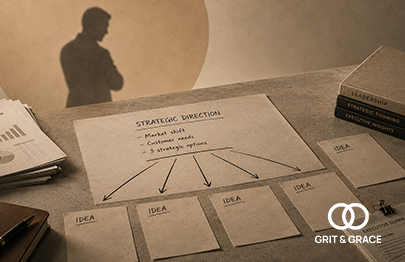
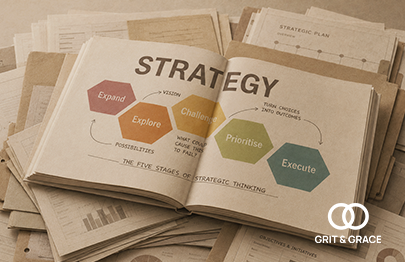
Another essential element involves reconnecting leaders with the strategic direction of the organisation. It is surprisingly common for each executive to interpret strategy slightly differently. A team gathering provides an opportunity to align these interpretations, allowing each leader to articulate how their department contributes to the organisation’s broader objectives. When this alignment becomes visible, priorities across the leadership group often become clearer almost immediately.
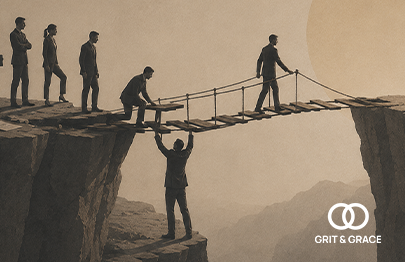
Equally important is the ability to surface interdependencies between departments. Many operational tensions arise not because of conflict but because teams underestimate how deeply their work affects others. When leaders describe what their teams deliver, what they require from others, and where collaboration tends to break down, the organisation begins to see its own internal architecture more clearly.
These conversations are rarely dramatic, but they are profoundly practical. They shift the focus from individual departments toward the functioning of the organisation as a whole.
Why Coaching Changes the Quality of Team Building
Coaching does not replace the social element of team gatherings. Relationships matter, and informal moments often strengthen trust within leadership groups. What coaching adds is structure to the conversations that determine how the team operates once everyone returns to daily work.
The role of a coach in such settings is not to provide answers but to guide reflection. Leaders are encouraged to examine patterns of behaviour, clarify assumptions, and articulate expectations that previously remained implicit. When teams become more aware of how they collaborate, they are better equipped to redesign those interactions intentionally.
Over time this awareness produces a subtle but powerful shift. Instead of reacting to organisational friction, leadership teams begin addressing its causes directly. Communication becomes more transparent, decision-making more predictable, and accountability easier to maintain.
The value of a team gathering therefore lies not only in strengthening relationships but in improving the collective intelligence of the leadership group.
Making the Impact Last
A productive team-building event is never a one-time intervention. The insights that emerge during a retreat or offsite only become meaningful when they are integrated into everyday leadership routines.
Effective teams translate these insights into new habits. Leadership meetings become more structured, priorities are communicated more clearly, and disagreements are addressed earlier rather than allowed to accumulate. Small adjustments in operating rhythm often produce disproportionately large improvements in collaboration.
In this sense, team building should be seen not as a temporary break from work but as an opportunity to refine how work happens.
Final Thoughts
Organisations bring their teams together because they recognise that relationships matter. Yet the real potential of these gatherings lies deeper than shared experiences or improved morale. When leaders use these moments to reflect on how they collaborate, clarify expectations, and align their understanding of strategy, team building becomes something far more valuable.
It becomes a moment where leadership itself evolves.
Frequently Asked Questions
Why do many team-building events fail to improve collaboration?
Most focus on activities rather than the underlying dynamics of leadership collaboration. Without discussing decision-making, responsibilities, and priorities, team behaviour rarely changes.
What makes team building productive for leadership teams?
Productive team building creates structured conversations about how the leadership team works together. It clarifies expectations, decision ownership, and alignment around priorities.
How does coaching improve team gatherings?
Coaching introduces structured reflection that leadership teams rarely create themselves. It helps surface assumptions, clarify collaboration patterns, and strengthen trust.
How often should leadership teams organise reflective gatherings or offsites?
Most organisations benefit from one or two structured leadership gatherings per year. The real impact comes when insights from these sessions translate into everyday leadership routines.
What is the main benefit of bringing leadership teams together intentionally?
It creates clarity around how leaders collaborate and make decisions. When expectations are aligned, teams operate faster and with fewer internal frictions.